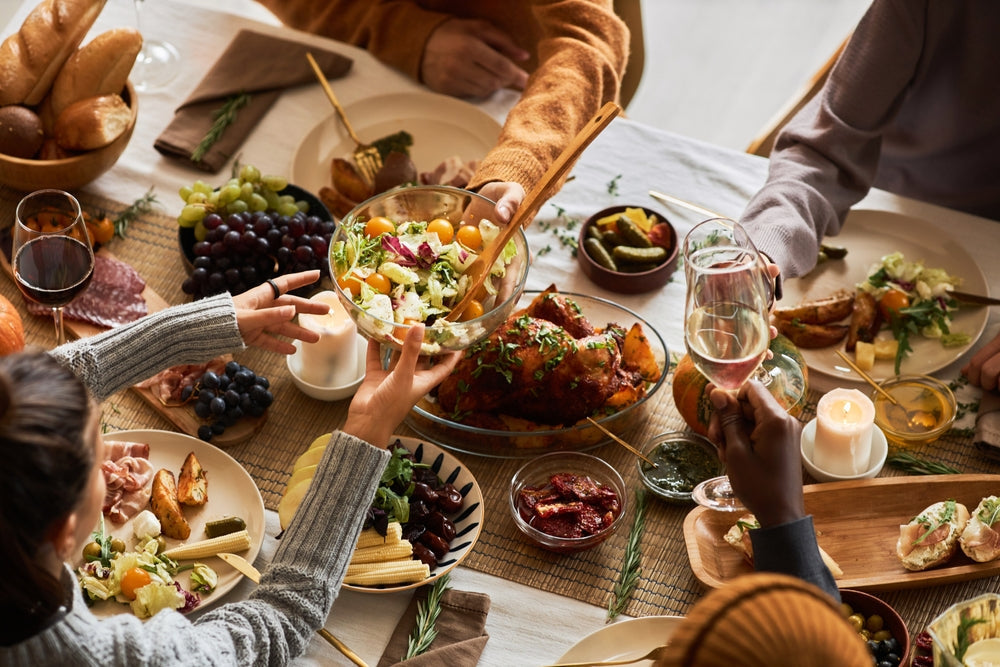
When hosting a dinner party, selecting the right wine is crucial. It not only complements the meal but also sets the mood and encourages conversation. You don’t need to memorize every grape variety; instead, focus on choosing a wine that matches your menu, your guests’ preferences, and your budget.
This guide will help you select the perfect wine for your next dinner party. It also includes lists of reliable bottles and answers the question of how much wine to buy, so you can relax and fully enjoy your gathering.
The Role of Wine in Creating an Unforgettable Dining Experience
A great dinner wine acts as a bridge, connecting your courses and enhancing simple dishes. Choose wines based on texture, weight, and flavor intensity rather than strict rules. For most gatherings, a small selection works well: start with a sparkling wine to wake up your palate and then progress from lighter to heavier wines for the main course.
How the Right Wine Enhances Every Bite
Acid in Sauvignon Blanc can make a salad taste fresher, tannins in Pinot Noir can make roast chicken taste richer, and a Chardonnay can soften the edges of buttery sauces. Meanwhile, bubbles reset the palate between bites, a very good reason to keep a chilled bottle of sparkling on standby.
Top Tips for Selecting the Perfect Wines
Know Your Audience
-
Palates and preferences. If half your friends prefer off-dry profiles, plan a sweet dinner wine option, perhaps a lightly sweet rosé or a demi-sec sparkling.
-
ABV and pace. Lighter styles at about 10 to 12.5 percent ABV encourage conversation and help a long evening feel easy.
-
Mix it up. Unless it is a theme night, offer both red and white so guests can match their preference and plate.
Match the Menu
-
Weight with weight. Delicate dishes such as poached fish, salads, and spring vegetables pair well with zippy whites. Hearty mains such as braised beef or grilled lamb are better with structured reds.
-
Sauce often matters more than protein. Lemon and capers point toward high-acid wines. A mushroom cream sauce can steer you to somewhere equally as earthy like a Bourgogne Pinot Noir.
-
Think texture. Acidity and tannins can help cut fatty dishes; lighter dishes should be paired with lighter wines.
Best Red Wines for Dinner Parties
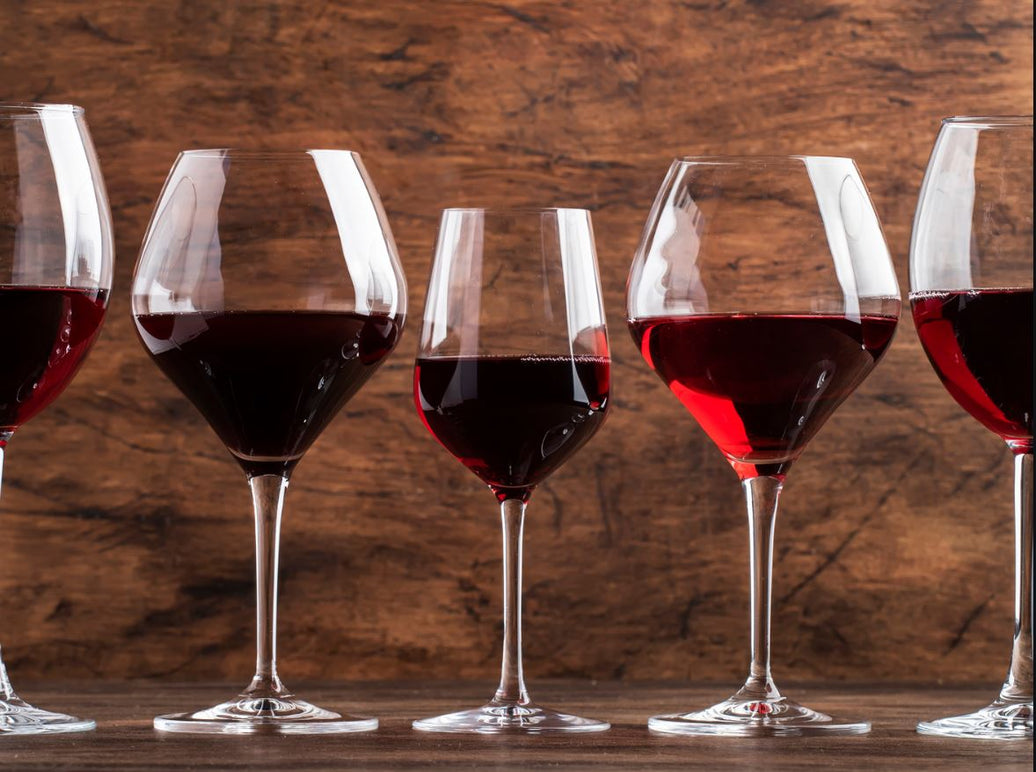
When you are choosing a red for a mixed crowd, two styles are the most versatile: Pinot Noir for lively, food-friendly pairings and Cabernet Sauvignon for richer meals.
Pinot Noir
For a balanced, elegant red that pairs well with roast chicken, salmon, mushroom pasta, or charcuterie, Pinot Noir is a great choice. For classic Burgundy character at weeknight-friendly pricing, Albert Brenot Bourgogne Pinot Noir is a solid option. It is medium-bodied, with dark cherry and earth notes, and pairs with a variety of dishes.

If you want a showpiece Pinot for a special main course such as duck breast or cedar-plank salmon, consider Felton Road ‘MacMuir’ Pinot Noir from Central Otago. It is recognized for its graceful structure and fine tannins, polished and elegant without overpowering the plate.

Cabernet Sauvignon
A Cabernet is perfect for steak, peppercorn sauces, and portobello mushrooms. For an easy-drinking Cabernet Sauvignon, try Sand Point Cabernet Sauvignon.

For a more indulgent bottle to pair with a richer dish such as short ribs or lamb, Deerfield Reserve ‘Wolf Run’ Cabernet Sauvignon 2019 offers dense flavour and Sonoma Mountain muscle.

Best White Wines for Dinner Parties
Dry whites pair beautifully with starters, fish dishes, creamy pasta, and vegetarian mains.
Sauvignon Blanc
For shellfish, goat cheese, green herbs, and grilled vegetables, Sauvignon Blanc is a great option. Folium Sauvignon Blanc delivers citrus notes and a salty mineral touch, ideal for oysters or scallops.

For alpine freshness and green-apple crunch, Sattlerhof Südsteiermark Sauvignon Blanc is a standout from Austria.

If you’re hosting a crowd and need a bottle that provides great value, Sand Point Sauvignon Blanc offers citrus-tropical flavours and a light, refreshing texture.

Chardonnay
Chardonnay can be a great pairing, but you have to be mindful of the style of Chardonnay. Check to see the oak usage, how and where the Chardonnay is made for a more precise pairing. If you want a friendly and economical white that has enough structure to pair with main course pastas or seafood, Egobodegas El Goru Chardonnay is a reliable pick. It offers refreshing acidity and the amount of complexity that it’s our go to for grilled seafood.

For a more premium selection with a lovely texture, a rich Bourgogne Blanc like Domaine Rougeot Pere et Fils 'Clos des 6 Ouvrees' Cote d'or Blanc pairs well with herb-roasted chicken, butter-poached lobster, or truffled mashed potatoes. A Chardonnay of this pedigree will be textured and dense with notes of hazelnuts, beeswax and honeycomb so it won’t get lost in the sauce!

Best Rosé and Sparkling Wines
Rosé
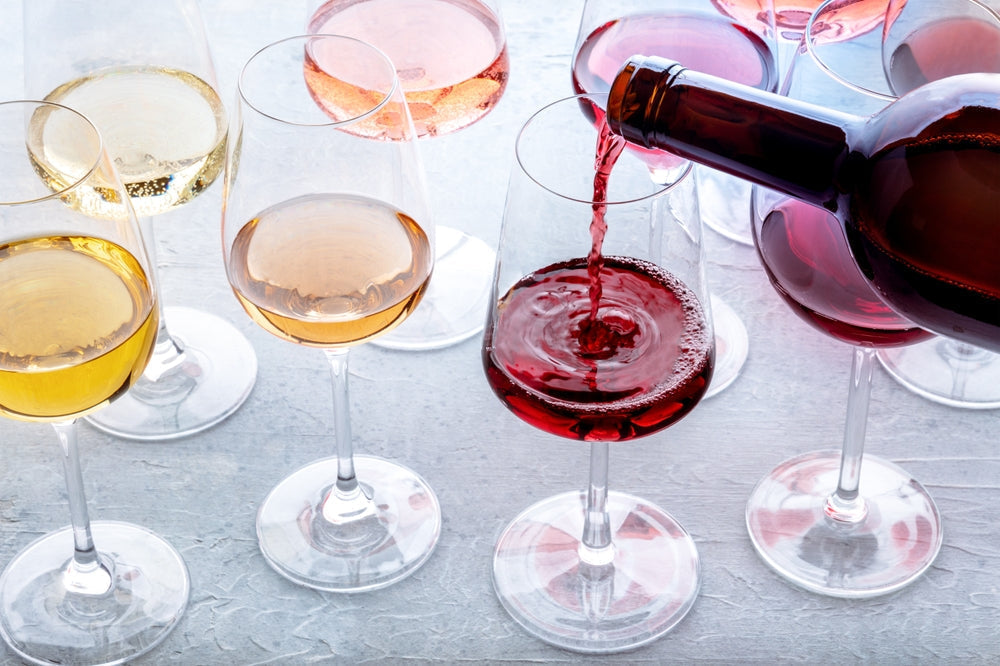
Rosé is adaptable, it can be bone dry or fruity and off-dry. It opens the evening with canapés, follows salmon and roasted vegetables, and complements gentle spice later in the meal. Triennes Rose shows a pale pink colour and lightly strawberry-scented nose that pairs elegantly with antipasto or Niçoise salad.
If you prefer a fruitier and slightly sweeter wine for spicy cuisine or as a backyard appetizer wine, Muralhas de Monção Rosé Vinho Verde is smooth and easy-drinking.

Sparkling Wine
Begin or end the meal with bubbles. For an economical cocktail-party option, Brilla Rosé Prosecco DOC brings lively fruit and citrus zest that are great with fried appetizers.

For a luxurious Champagne, Palmer & Co. Rosé Solera Champagne blends reserve wines dating back to 1999 and layers red berries, citrus, and brioche.

Planning an inclusive table, include a non-alcoholic option such as SOVI Non-Alcoholic Sparkling Rosé in convenient 250 mL cans.

How Much Wine to Serve
A standard 750 mL bottle equals roughly five 5-oz pours. Restaurants plan by this measure, and it is a practical baseline.
Rules of thumb
-
For a two- to three-hour dinner, plan half to three-quarters of a bottle per adult, about two to three glasses. If you are pouring a sparkling aperitif and wine with dinner, round up.
-
For larger groups, a case of twelve bottles serves about sixty standard pours at 5 oz each.
-
Sparkling yields six to eight flutes per 750 mL, depending on pour size. If bubbles kick off the evening, plan one bottle for every six to eight guests for the aperitif round.
For a little bit more buffer, stock one bottle per person for the night, especially if you are not mixing cocktails. Adjust down if your group skews light, and keep a couple of extra bottles on hand. Leftovers are easy to enjoy the next day.
Hosting a Wine-Themed Dinner Party
A theme focuses the tasting and makes shopping easier. Build a mini-flight for each course or progress from bright to bold across the night.
Creating Pairing Menus
-
Aperitif. Brisk bubbles such as Prosecco, Champagne, or a dry frizzante. Try Andreas Bartel Brut Rose Champagne.
-
Starter. Acid-driven white such as Sauvignon Blanc or unoaked Chardonnay. Try Folium Sauvignon Blanc with grilled vegetables or Montecchiesi Vermentino & Chardonnay Blend with citrusy salads.
-
Main. Lighter red, such as Albert Brenot Bourgogne Pinot Noir for poultry, salmon, or mushrooms, or structured red, such as Angeline Cabernet Sauvignon for steak and roasts.

-
Dessert. Finish with Champagne or shift to a lightly sweet rosé if the dessert calls for it. Consider a bottle of Muralhas de Monção Rosé Vinho Verde.
Serving temperature cheat sheet.
Temperature is very important when serving wines, especially at a dinner party. Wine that is too cold will have muted aromas whereas wine that is too warm will lose freshness and fruity aromas. The best rule is the 20/20 rule. Take your whites out of the fridge 20 minutes before serving and put your reds into the fridge 20 minutes before serving. For heavier reds, you can reduce this down to 15 min or so and for heavier whites you can increase the time out of the fridge slightly as well.
Worried about fridge space? Use an ice bucket! For reds, no need to submerge them in the ice just lay them right on top.
FAQs on Wine and Dinner
How Much Wine Should I Buy
For a typical dinner party, estimate two to three glasses per adult using five glasses per bottle as your baseline, and keep an extra bottle or two. If you plan a greeting toast with sparkling, add one bottle for every six to eight guests.
Large Format Bottles
Large format bottles are perfect for hosting! For one, they make excellent centre pieces and are a conversation starter. Secondly, for groups of 6-10, it can be the perfect for your main course or starter wine because everyone would get a glass and top ups with just one bottle
Should I Offer Both Red and White
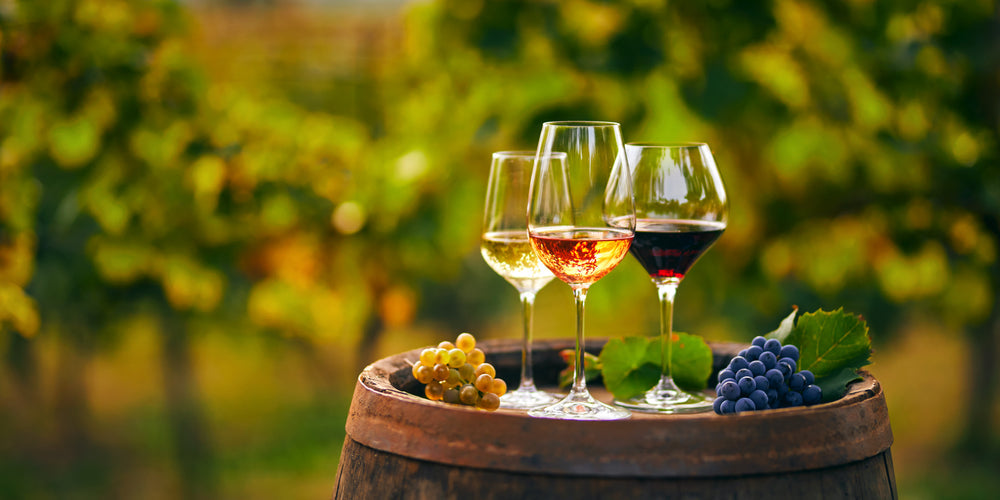
If possible, yes. Choosing the right wine often means offering both red and white so guests can match their preferences and their plates. A practical set is one sparkling, one Sauvignon Blanc or Chardonnay, one Pinot Noir, and one Cabernet Sauvignon. That quartet covers almost any menu.
When Should I Open the Wine
Open your wine before your guests arrive so that you can make sure it’s of sound quality. It doesn’t happen often, but you can get a corked or flawed bottle (look out for musty notes like wet basement).
Where to Find Something Unique
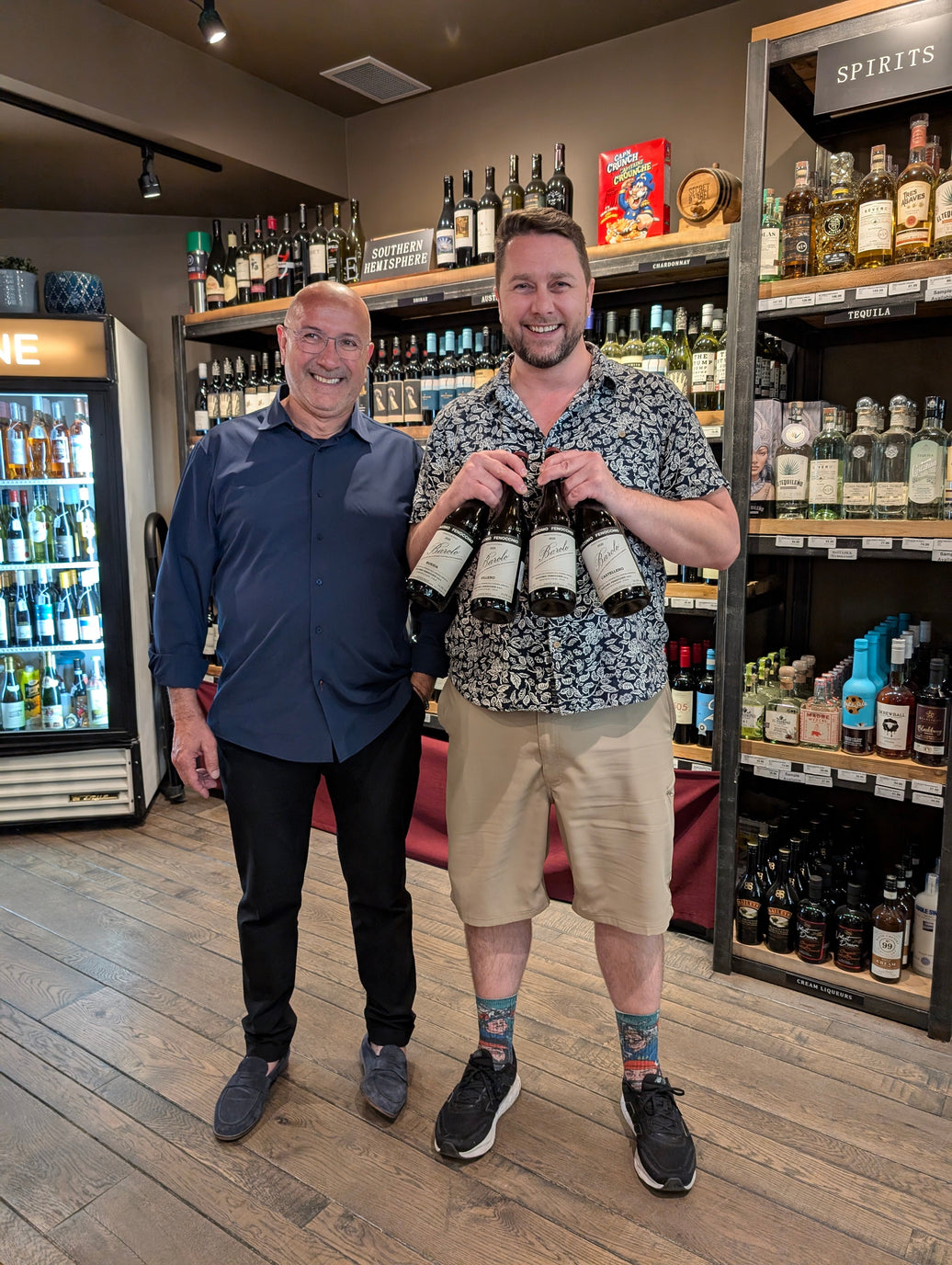
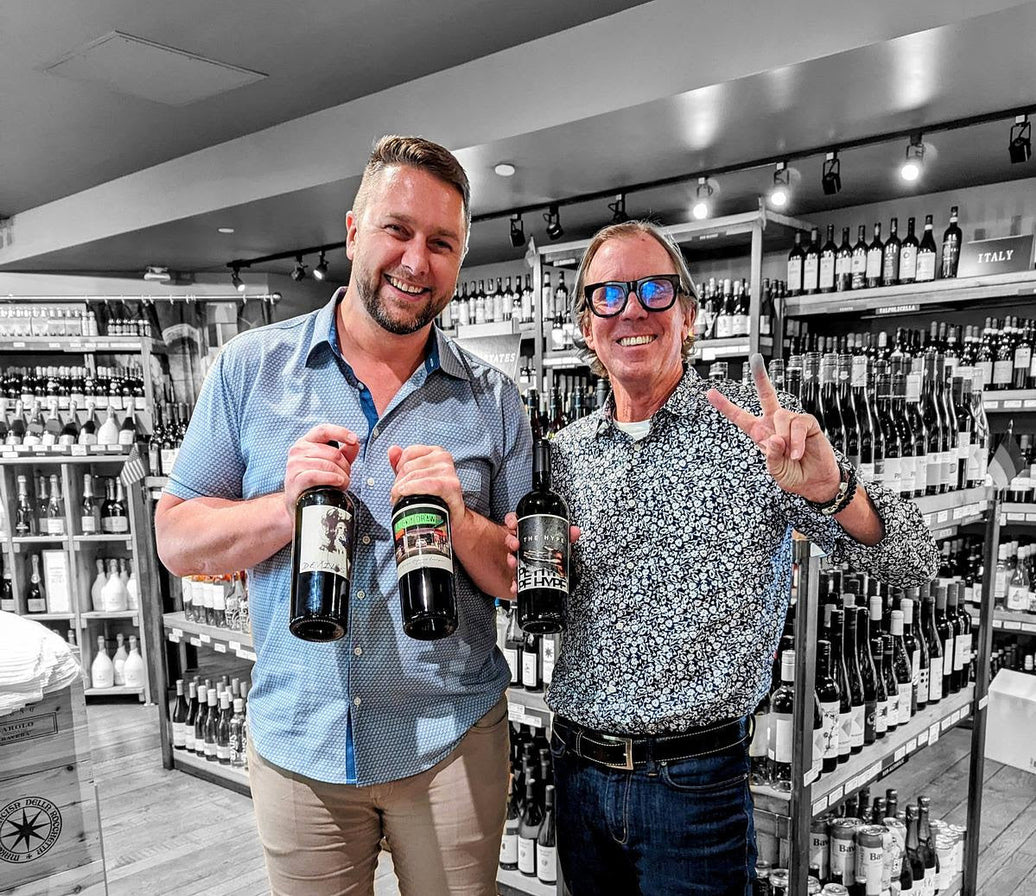
If you want to select wines to feel easy and a little special, shop curated shelves where the team knows the bottles and the producers. Cork Fine Wine, Liquor & Ale is an independent, locally owned boutique in Bow Valley Square with a carefully chosen collection of small-production wines, craft beers, and artisanal spirits. You can browse the collections and individual bottles online or pop by the ground-floor shop on 6 Ave SW.
Shop Online for Curated Selections
Ready to find the right wine for your menu, explore Cork’s collections, and pick from the bottles mentioned above:
Pinot Noir. Albert Brenot Bourgogne Pinot Noir and Felton Road ‘MacMuir’ Pinot Noir.
Cabernet Sauvignon. Sand Point Cabernet Sauvignon, Angeline Cabernet Sauvignon, and Deerfield ‘Wolf Run’ Cabernet Sauvignon 2019.
Chardonnay. Egobodegas El Goru Chardonnay for value, Domaine Rougeot Pere et Fils 'Clos des 6 Ouvrees' Cote d'or Blanc for a premium pick, and Montecchiesi Vermentino & Chardonnay Blend for a crisp, unoaked style.
Sauvignon Blanc. Folium Sauvignon Blanc, Sattlerhof Südsteiermark Sauvignon Blanc, and Sand Point Sauvignon Blanc.
Rosé and Sparkling. Bosco del Merlo Rosé Pinot Grigio, Muralhas de Monção Rosé Vinho Verde, Brilla Rosé Prosecco DOC, Palmer & Co. Rosé Solera Champagne, Andreas Bartel Brut Rose Champagne and SOVI Non-Alcoholic Sparkling Rosé.
If you entertain regularly or love discovering bottles before anyone else, Cork’s membership perks might interest you. These include discounts, first dibs on new releases and rare bottles, and invites to tastings.