The sauce decides the wine, not the pasta shape. Spaghetti with a simple tomato sauce and tagliatelle with a slow-cooked beef ragu call for two different bottles.
Once you learn to pair wine with sauces, the rest is easy. Let’s break down the basics: tomato wants acid, while cream wants something fresh to cut it. Meat wants tannin, and pesto wants citrus and herbs.
Here are ten wines that cover every pasta night, and why each one works.
Red or White Wine With Pasta?
Both, depending on the sauce. The rule about red wine with pasta comes from a time when pasta meant red sauce, and that is only part of what most of us cook. Carbonara, cacio e pepe, pesto, clam linguine, and mac and cheese all go better with white.
Match the Sauce, Not the Pasta Shape
Penne and tagliatelle taste about the same on their own. What you are really pairing with is the fat, the acid, and the weight of the sauce.
Three questions handle most of it:
-
How rich is it? Cream, cheese, and cured pork need a wine with enough acidity to keep the dish from feeling heavy.
-
Is there tomato? Tomato is acidic, so the wine needs acidity of its own or it tastes flat.
-
Is there red meat? Fat and protein soften tannin, so meat sauces can take a bigger red.
Answer those, and you have narrowed it down to two or three bottles.
Why Acidity Is the Whole Game With Tomato
Tomato sauce is tart. A soft, low-acid red next to it tastes flat and slightly sweet. A high-acid red holds its own, and the sauce tastes brighter for it.
Italian reds are built for this. Sangiovese, Barbera, and Nebbiolo all carry more acidity than most New World reds, which is exactly what tomato needs.
Wines for Tomato-Based Sauces
Marinara, pomodoro, puttanesca, arrabbiata, and anything built on tomatoes and olive oil. Look for moderate alcohol and high acid.
Chianti Classico
Sangiovese grown in the Tuscan hills between Florence and Siena. Sour cherry, dried herbs, a bit of leather, and acidity that cuts through tomato and oil. It is medium-bodied, so it suits a weeknight plate of spaghetti as well as a big Sunday dinner.


Castello di Radda Chianti Classico at $34.99 is the everyday bottle. For a baked pasta, step up to Riecine Chianti Classico Riserva 2020 at $74.99, since a Riserva spends longer aging before release and carries more weight. If you want something simpler, La Lupinella Chianti DOCG at $33.99 is a straight Chianti that handles a Tuesday marinara. Serve any of them slightly cool, around 16 to 18 degrees, not off a warm counter.
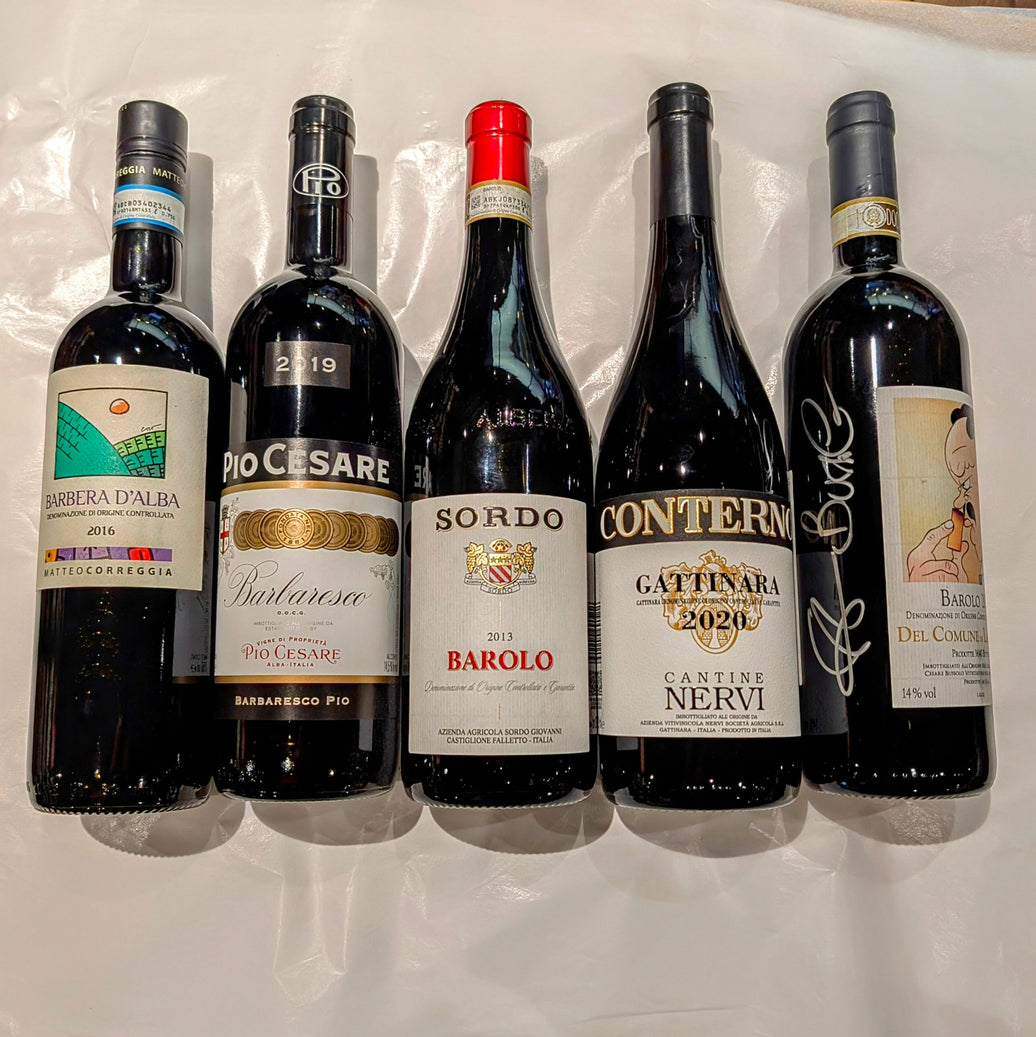
Barbera d'Asti
High acid, low tannin, dark cherry and plum fruit, and an easy finish. Piedmont growers drink it with dinner at home.

The low tannin is what makes it so flexible. A tannic red against a sharp tomato sauce with no meat in it can taste bitter, while Barbera stays smooth. Villa Sparina Barbera at $27.99, from Monferrato just over from Asti, is the one we recommend most often when someone wants a red that works with everything on the table. It takes a slight chill well too.
Sangiovese From Montalcino and Montepulciano
Rosso di Montalcino is the younger, more affordable version of Brunello, with darker fruit and a bit more grip. Vino Nobile di Montepulciano is similar, slightly softer, still high in acid. Both are Tuscan Sangiovese, not to be confused with Montepulciano d'Abruzzo.
They are a step up from a standard Chianti without moving into Barolo prices, and they suit fuller tomato sauces like puttanesca, with its olives, capers, and anchovy. Our guide to comparing Italian red wines covers how the Tuscan and Piedmont styles differ.
Wines for Cream and Cheese Sauces
Alfredo, vodka sauce, four cheese, mac and cheese, and anything finished with butter and parmesan. There are two approaches here, and they go in opposite directions.
Oaked Chardonnay
Match the richness. A Chardonnay with barrel time has weight and a creamy texture of its own, plus notes of baked apple, hazelnut, and toast that suit butter and parmesan. It is the standard pick for Fettuccine Alfredo and a good one for mac and cheese.
True Myth Chardonnay from Edna Valley at $27.99 is the everyday version, with enough acidity under the oak to keep a rich sauce from getting heavy. For a dinner worth the spend, Shafer Red Shoulder at $99.99 is the California benchmark. Serve either cool but not cold, since fridge temperature flattens the texture that makes this work in the first place.
Chablis and Unoaked White Burgundy
The other approach, and often the better one. Chablis is Chardonnay from northern Burgundy, grown on limestone and made without new oak. It is lean, mineral, and sharp enough to cut straight through cream.


Gerard Tremblay Petit Chablis at $31.99 is the easy entry point, and his Chablis 'Fourchaume' 1er Cru at $48.99 has more depth for a heavier dish. Unoaked white Burgundy from further south works the same way, and Duc de Magenta 'Les Houilleres' Bourgogne Blanc at $61.99 is the one on the shelf now. If rich sauces get tiring halfway through the bowl, this is the fix.
Wines for Pesto and Olive Oil Pasta
Basil pesto, aglio e olio, and lemon and herb pastas. Green, bright food wants a green, bright wine.
Sauvignon Blanc
Basil and Sauvignon Blanc share aromatic compounds, so the match is a natural one. Grapefruit, lime and fresh herbs in the wine, garlic, pine nuts and parmesan in the pesto.


Three in stock right now: Villa Rocca at $16.99 is the perfect fit for a weeknight, Doncella at $25.99, and Folium at $25.99 for something rounder and more textured. All three work with pesto and with grilled vegetables.
One exception worth knowing: if your pesto is heavy on sun-dried tomato, you are back in tomato territory, and a light red like Barbera makes more sense.
Pinot Grigio
A good northern Italian Pinot Grigio is crisp and clean, with pear and citrus and no heavy edges. It stays out of the way of a simple olive oil, garlic, and chili pasta, which is the whole point.


Riff at $21.99 and Paladin at $22.99 are both in stock, and both are excellent value. Either one works with seafood pasta, where a heavier white would cover up the shellfish.
Wines for Meat Ragu, Bolognese, and Lasagna
Fat and protein soften tannin on the palate, so meat sauces are where a structured red finally makes sense. The same bottle that tastes firm and drying on its own turns smooth once there is beef and pork in front of it. A four-hour ragu also has more depth and sweetness than a quick sauce, so it can handle a bigger wine.
Langhe Nebbiolo
Same grape as Barolo, often from the same vineyards, at a much lower price. Rose petal, tar, and sour cherry, and it is ready to drink now, which young Barolo usually is not.

G.D. Vajra Langhe Nebbiolo 2023 at $33.99 is one of the best examples anywhere. The acidity handles the tomato in a ragu, and the tannin handles the beef and pork. It is in our roundup of Italian reds under $40.
Barolo
The bottle for a lasagna you spent the afternoon on. Firm tannin, high acid, and aromas that keep opening up over the course of a meal. It needs a rich dish to soften it, and a lasagna with ragu and bechamel does exactly that.


Reversanti Barolo 2020 at $49.99 is the value pick and wants an hour open or a decant. Casetta Barolo 2015 at $57.99 already has a decade behind it, so the tannin has softened and it needs less time to come around.
Wines for Carbonara and Spicy Arrabbiata
Carbonara is egg, pecorino, and guanciale, so it is rich and salty with no tomato. Arrabbiata is tomato with chili heat. One style covers both.
Dry Rose
Rosé has the freshness of a white and enough fruit to stand up to cured pork. With carbonara it cuts the fat and balances the salt. With arrabbiata it cools the chili instead of intensifying it, which is what a high alcohol red tends to do.


Triennes Rose at $25.99, from southern France, is the one we reach for most. Rose de Malleret at $31.99 is a Bordeaux rosé with more body, which suits a carbonara heavy on guanciale. Stick to dry styles, since anything off dry makes chili heat taste hotter rather than calmer.
Building a Pasta Night Wine Shelf in Calgary
You do not need all ten at home. Four cover almost everything:
-
A Chianti Classico or Barbera for tomato sauces
-
A crisp white like Pinot Grigio or Sauvignon Blanc for pesto and seafood
-
A Chardonnay with good acidity for cream and cheese
-
A Langhe Nebbiolo for meat sauces and baked pasta
Temperature matters more than most people think. Whites are often served too cold and reds too warm, especially in winter when the kitchen is running hot. Twenty minutes out of the fridge for a white, twenty minutes in it for a red, and both will show more.
Stock changes week to week, so it is worth checking before you make a trip for one label. Come by the shop at 250 6 Ave SW in Bow Valley Square and tell us what you are cooking. We will point you to the right bottle, whether that is a weeknight red from our wines under $30 or a Barolo for a dinner you have been planning for a month. You can also browse the red wine and white wine collections to see what is in.
Feeding a crowd? Our guide to choosing wine for a dinner party covers how much to buy, and our wine and cheese pairings piece helps if dinner starts with a board.
Frequently Asked Questions
What wine goes with lasagna?
Langhe Nebbiolo or Barolo, with a Chianti Classico Riserva as the middle option. Lasagna has tomato, meat, and cheese in it, so the wine needs acidity for the tomato and tannin for the meat. Piedmont reds do both. A vegetarian lasagna is lighter, so Barbera or a standard Chianti Classico is the better fit.
What wine goes with carbonara?
Dry rosé or a crisp Italian white. Carbonara is salty and rich with no tomato, so the wine needs to cut the fat and keep the dish from feeling heavy. Pinot Grigio, Chablis, and dry rosé all do that. Skip the big oaky whites, which add richness to a dish that already has plenty.
Should you cook with the same wine you drink?
Not necessarily, but cook with something you would be happy to drink. Cooking concentrates whatever is in the bottle, so a flawed or oxidized wine makes the sauce worse. An inexpensive version of the same grape is fine. A mid-range bottle for the glass and an everyday one for the pot is a sensible split.
What is a safe bottle for a table with mixed pasta dishes?
Barbera d'Asti if the table wants red, dry rosé if it is split. Barbera has the acidity for tomato and low enough tannin that it will not clash with cream or pesto. Rosé is the most flexible bottle on any table, which is why we suggest it when everyone is eating something different.