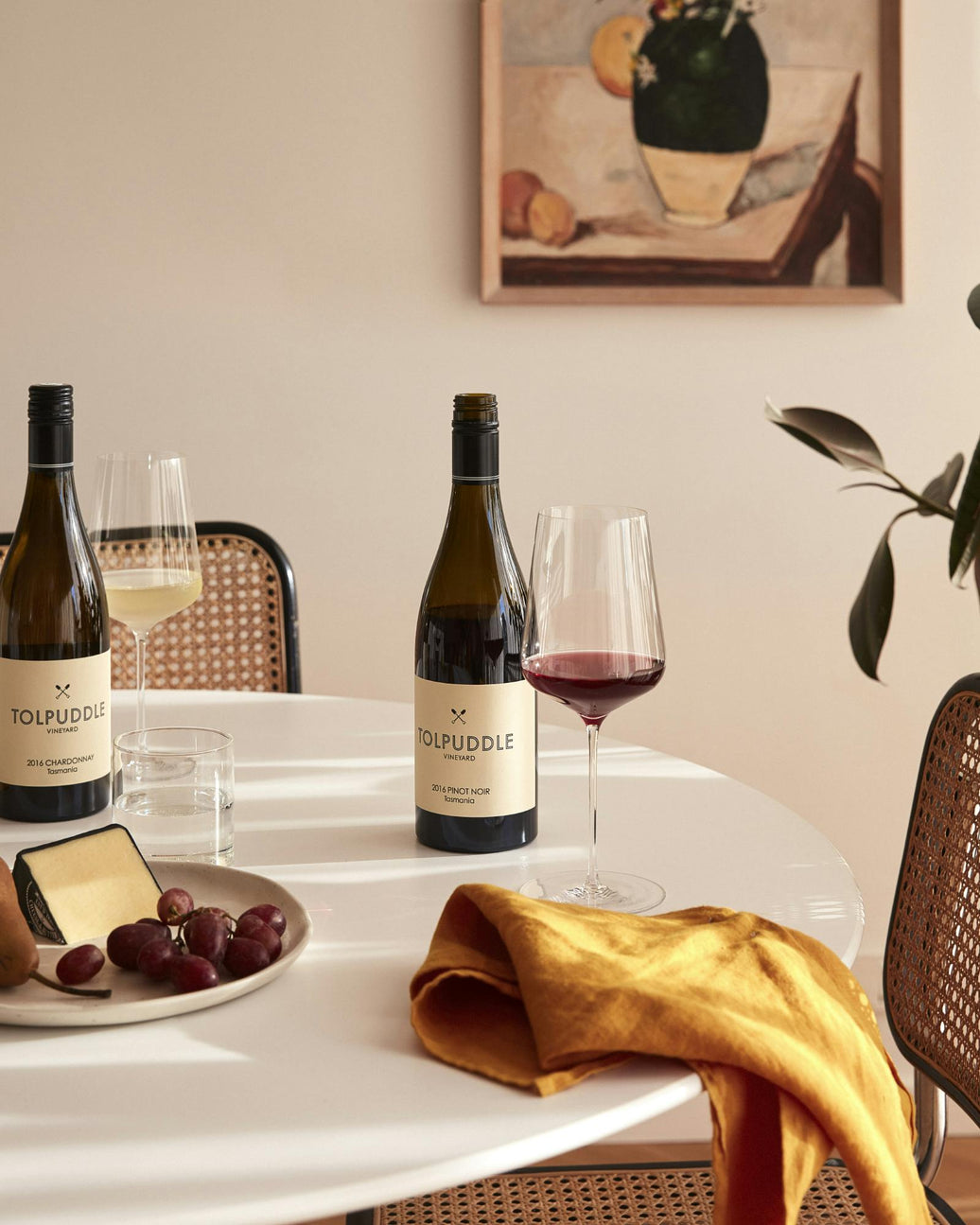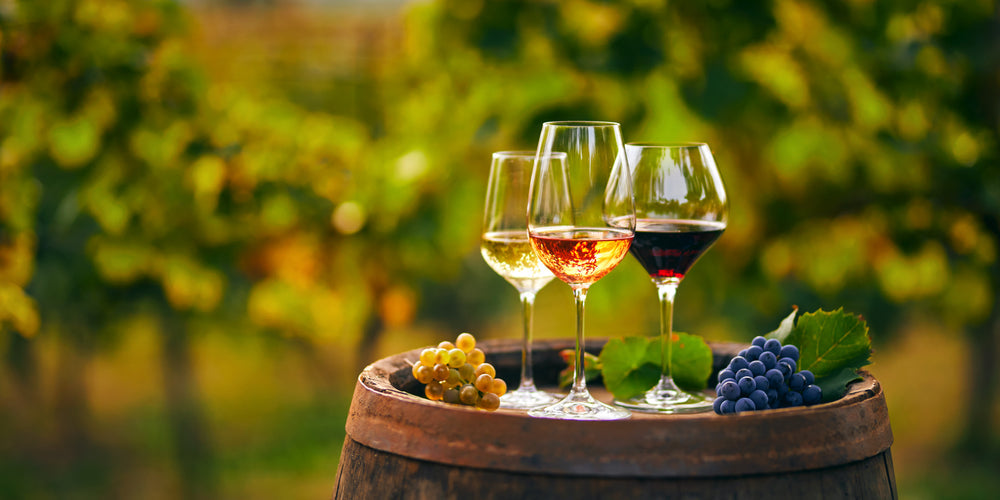
Sauvignon Blanc and Chardonnay are the two white wines most people reach for, and they taste nothing alike. One is sharp and citrusy. The other is round and rich. Here is how to tell them apart and buy the right one.
Sauvignon Blanc vs Chardonnay at a Glance
Sauvignon Blanc is light, sharp, and green. It tastes like grapefruit, lime, and fresh herbs, with high acidity and a clean finish. It is almost always fermented in stainless steel, so no oak gets in the way. Serve it cold. Bottles range in price about $17 to $47 at Cork.
Chardonnay is fuller, rounder, and softer. Orchard fruit, lemon curd, and often vanilla or toast from oak. Texture matters more than snap, and the style swings hard depending on where the grapes grew. Serve it a touch warmer. Bottles range in price about $20 to $100 at Cork.
Both are dry. Neither is a sweet wine, which is the most common misunderstanding about Chardonnay.
What Is Sauvignon Blanc?
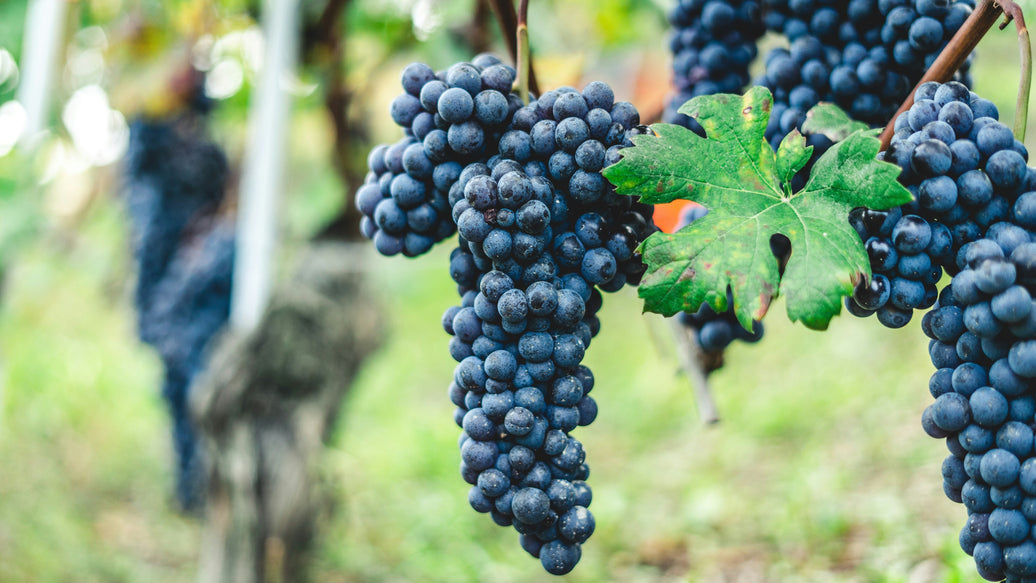
Sauvignon Blanc is a green-skinned grape from France's Loire Valley that is now grown and produced almost everywhere wine is made. New Zealand, Chile, South Africa, and northern Italy all produce serious versions worthy of your attention.
The winemaking style is usually hands-off. Ferment cold, keep it in steel, bottle it young, drink it while it’s young, fresh and vibrant. That keeps the aromatics intact, which are the whole point of the grape.
What Sauvignon Blanc Tastes Like
Grapefruit, lime, green apple, and gooseberry sit on top. Underneath runs a green streak people describe as cut grass or bell pepper.
Acidity is high, the body is light, and the finish is dry and short. Nothing lingers, which is why it works so well before a meal.
The Styles Worth Knowing
-
New Zealand. Marlborough made this grape famous. Loud passionfruit and grapefruit, a green edge you cannot miss, and zippy acidity. When someone says they love Sauvignon Blanc, this is the style they mean.
-
Sancerre and the Loire. France's home version is quieter and more mineral. Citrus pith, wet stone, and a flinty finish instead of tropical fruit. It costs more and drinks like a dinner wine.
-
Chile and South Africa. The value zone. Citrus-forward, clean, and less aggressive than New Zealand.
-
Italy and Austria. Restrained, herbal, and textural, if New Zealand is too much for you.
What Is Chardonnay?
Chardonnay is the blank canvas of white wine. The grape is fairly neutral on its own, so what you taste is largely climate and winemaking. People who say they hate Chardonnay are usually reacting to one style of it.
Its home is Burgundy, where it makes everything from lean Chablis to some of the most expensive opulent white wines in the world.
What Chardonnay Tastes Like
From cool places like Chablis or coastal British Columbia, expect green apple, lemon, pear, and a chalky, wet-stone quality. From warm places like California or southern Australia, expect peach, pineapple, and mango.
Then comes winemaking. Oak barrels add vanilla, toast, and baking spice. Certain cellar techniques soften the acidity and build the creamy, buttery texture Chardonnay is known for, which is why one bottle can taste crisp, and another can taste like melted butter.
Oaked vs Unoaked Chardonnay
Oaked Chardonnay is rounder and richer. Vanilla, toasted nuts, sometimes butterscotch, with a fuller body. It handles cream sauces and roast chicken easily.
Unoaked Chardonnay is fermented in steel or neutral vessels. It keeps the citrus and green apple, stays lean, and drinks closer to a Pinot Grigio.
Labels do not always say which is which. Anything labelled Chablis is unoaked or very lightly oaked, and most cheap California Chardonnay sees some oak. Otherwise, ask the team at Cork. Guessing from the bottle is a coin flip.
Chablis and White Burgundy
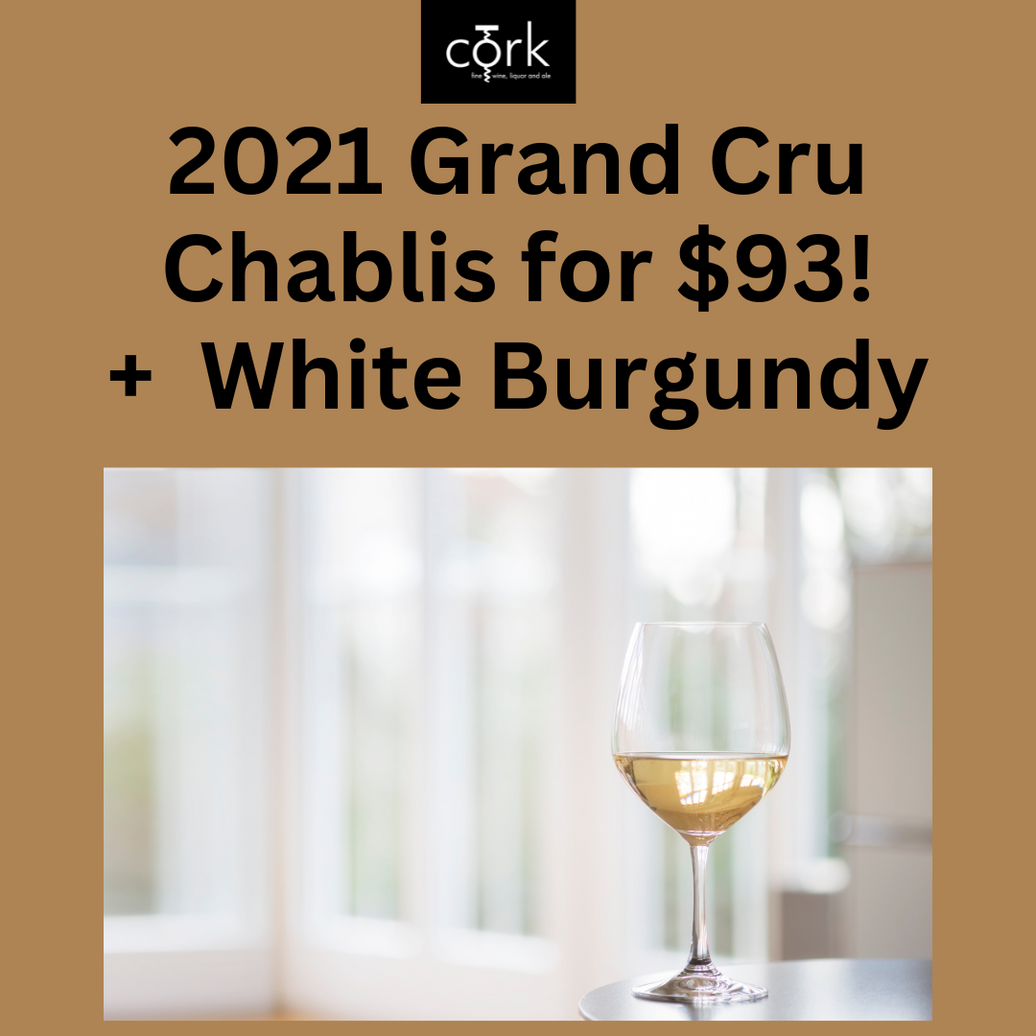
Chablis is 100 percent Chardonnay from the cold northern end of Burgundy, and the climate shows up in the glass. Sharp acidity, citrus, a saline finish, and little to no oak influence.
Petit Chablis is the entry tier and the cheapest way in. Straight Chablis is a step up in concentration, and Premier Cru and Grand Cru go further again. Bourgogne Blanc covers Chardonnay from the wider region and is often the smartest value in the category.
Start with the Burgundy collection, then see what the upper tiers deliver in this breakdown of top-rated white Burgundy.
The Real Differences Between the Two
Body and Texture
This is the difference you feel rather than taste. Sauvignon Blanc is light-bodied and lean. It refreshes and gets out of the way. Chardonnay is medium to full-bodied, and an oaked one coats your mouth the way a light red does.
If you find white wine thin, you probably want Chardonnay. If you find it heavy, you want Sauvignon Blanc.
Is Chardonnay Dry or Sweet?
Chardonnay is dry. Almost every still Chardonnay is fermented until the sugar is gone, leaving very little residual sugar in the bottle.
Ripe tropical fruit, vanilla from oak, and a creamy texture all read as sweetness even when no sugar is there. It tastes richer, not sweeter. On a white wine dryness scale, Chardonnay and Sauvignon Blanc sit close together at the dry end, while off-dry Riesling, Moscato, and dessert wines like Sauternes sit at the other.
Which One Should You Buy?
Buy Sauvignon Blanc If
-
You want something crisp and refreshing on a warm afternoon
-
You are serving salads, seafood, or anything built on lemon and fresh herbs
-
Goat cheese is involved, which is close to a perfect pairing
-
You want a crowd-pleaser under $30, and you do not like oak
Buy Chardonnay If
-
You want a white wine with weight and texture
-
Dinner involves butter, cream, or roasted meat
-
You are drinking it on its own, without food
-
You usually drink red and find most whites too thin
What to Serve With Each
Sauvignon Blanc's acidity does the work. Pair it with oysters, ceviche, grilled white fish, sushi, green salads, asparagus, and goat cheese. It also cuts through fried food better than almost any other white.
Chardonnay pairs on texture instead. Unoaked versions go with scallops, crab, and light pasta. Oaked versions want roast chicken, lobster with butter, creamy risotto, and mushrooms. A rich Chardonnay will flatten a delicate piece of fish, so match weight to weight.
Still torn? This guide on how to choose the perfect wine applies the same logic to any bottle.
Bottles to Try at Cork Fine Wines
Picks from the current white wine collection at three price points each. Stock moves, so call ahead or drop by the shop in Bow Valley Square if you are set on a specific bottle.
Sauvignon Blanc
-
Villa Rocca Sauvignon Blanc, $16.99. The weeknight bottle. Bright and crisp, with lime, grapefruit, and green apple.

-
Folium Sauvignon Blanc, $25.99. More concentrated than the entry bottles, with enough structure to drink through dinner rather than just before it.

-
Gemiere Sancerre Blanc, $46.99. A generous, fruit-driven Sancerre with ripe peach, apricot, and citrus, balanced by a crisp finish.

Chardonnay
-
Alias Chardonnay, $19.99. Soft and approachable, with apple, pear, and a light touch of vanilla and oak.

-
Gerard Tremblay Petit Chablis, $31.99, or Pascal Bouchard Petit Chablis, $31.99. Two routes into unoaked Chablis. Flint, wet stone, chalk, and green apple, and a different animal from the California style.


-
Shafer Red Shoulder Chardonnay, $99.99. The splurge. Rich, oak-influenced, and built for a bottle that gets its own spotlight.
Staying under $30? The 25 wines under $30 collection and this roundup of 15 great white wines under $30 are built for exactly that.
Frequently Asked Questions
Is Sauvignon Blanc sweeter than Chardonnay?
No. Both are dry wines, and Sauvignon Blanc tastes less sweet because its high acidity makes the fruit read as tart. Chardonnay can seem sweeter thanks to ripe tropical fruit and vanilla from oak, but the actual sugar left in the bottle is minimal in both.
What temperature should you serve each one at?
Serve Sauvignon Blanc cold, straight from the fridge or after twenty minutes in an ice bucket. Serve Chardonnay a little warmer, especially an oaked one, since heavy chilling flattens the texture you paid for. Pull it out of the fridge fifteen minutes before you plan to pour. Unoaked Chardonnay and Chablis sit in between, closer to the Sauvignon Blanc range.