Champagne marks the toast, pairs with everything from oysters to turkey, and always represents celebration. The hard part is choosing, especially when the wall of bottles runs from under sixty dollars to nearly five hundred. Here's how to pick the right one, plus bottles we have in stock across every budget.
How to Choose a Bottle of Champagne
A few words on the label tell you most of what you need to know. Once you can read them, the collection gets a lot less intimidating.
Brut, Extra Brut and Demi-Sec
These terms describe how sweet the Champagne is, based on how much sugar is added after the second fermentation. Brut Champagne is the one most people want: dry, crisp, and food-friendly, with just enough fruit to round it off. Extra Brut is drier still, with little or no added sugar, which suits anyone who likes a lean, mineral style.
Demi-Sec Champagne sits at the sweeter end. It's the bottle to pull out with dessert, shortbread, or a cheese board, since the extra sweetness stands up to sugar on the plate. The Liébart-Régnier Demi-Sec ($66.99) is a good one to keep back for the end of the night.
Non-Vintage vs Vintage
Most Champagne is non-vintage, blended from several years so the house style tastes the same bottle after bottle. It's reliable, usually more affordable, and ready to drink now. That's what you want for a party.
Vintage Champagne comes from a single, standout year and is only made when the harvest is good enough. It's richer, more complex, and built to age. If you're buying something to remember a milestone by, a vintage bottle is the move.
Blanc de Blancs, Blanc de Noirs and Rosé
Blanc de Blancs is made entirely from Chardonnay, so it tends to be light, fresh, and citrusy, a lovely way to start a meal. The Diot Magie Blanche Blanc de Blancs ($65.99) punches well above its price here.
Blanc de Noirs comes from the black grapes, Pinot Noir and Pinot Meunier, and drinks fuller and rounder. Rosé Champagne gets its colour and its red-berry character from those same grapes, and it has quietly become one of the most requested styles we carry for the holidays.
The Best Champagne for Everyday Celebrations
For the casual nights, the hostess drop-offs, and the mid-week pours, you want something honest and well-made that doesn't cost a fortune.
-
Sophie Baron Brut ($53.99) is our easy entry point, clean and dry and happy on its own or in a cocktail.
-
Ployez-Jacquemart Extra Quality Brut ($68.99) is a grower Champagne that drinks like a bottle twice its price.
-
Henriot Souverain Brut ($76.99) brings a touch more depth for the nights that matter a little more.
The Best Champagne for Gifting
A gift bottle should be recognizable and look the part under the tree. These are the names people are glad to receive, and if you're torn on what style to give, our take on whether to give champagne, red, or white is a useful starting point.
-
Ayala Brut Majeur ($84.99) is elegant, Chardonnay-forward, and always a safe bet.
-
Veuve Clicquot Brut ($93.99) needs no introduction, which is exactly why it makes such a reliable gift.
-
Laurent-Perrier La Cuvée ($89.99) is fresh and refined for anyone who likes a lighter style.
The Best Champagne to Splurge On
Some occasions call for the bottle you talk about afterward. If you're celebrating something big, these are worth it.
-
Dom Pérignon 2015 Vintage ($391.99) is the benchmark prestige cuvée, powerful and precise.
-
Krug Grande Cuvée '172 Édition' ($463.99) is a masterclass in blending, rich and endlessly layered.
-
Dom Pérignon Rosé 2009 ($498.99) is the one to open when only the rarest thing will do.
The Best Champagne for the Holiday Table
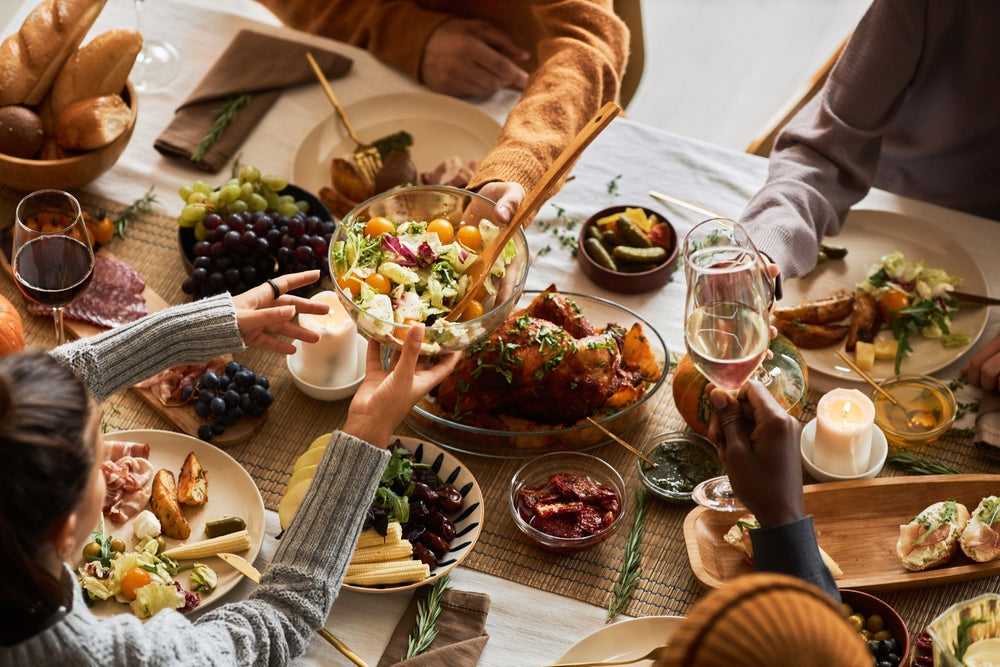
Champagne is one of the most versatile wines you can put next to food, which is why it belongs at the holiday dinner and not just the toast. Its acidity cuts through rich, buttery dishes, and a fuller style has the body to sit beside turkey or ham.
The Billecart-Salmon Réserve Extra Brut ($93.99) is a brilliant all-rounder for a long meal. For something more elegant alongside the lighter courses, the Ruinart Blanc de Blancs ($161.99) is hard to beat.
Champagne vs Prosecco and Other Sparkling Wines
The Champagne vs Prosecco question comes up every December, and the honest answer is that they're built differently. Champagne can only come from the Champagne region of France and gets its second fermentation inside the bottle, which creates those fine, persistent bubbles and the toasty, bready complexity it's known for.
Prosecco comes from Italy, is made mostly from the Glera grape, and ferments in a tank instead. The result is softer, fruitier, and friendlier on the wallet, which makes it great for mimosas and big crowds. Cava, from Spain, is made the same way as Champagne and offers a lot of that character for less. None of them is wrong. Champagne is the one to reach for when the bubbles themselves are the point.
How to Serve and Open Champagne
Serve Champagne cold but not frozen, somewhere around 8 to 10 degrees, so about three hours in the fridge or twenty minutes in an ice bucket. Too cold and you mute the aromas; too warm and it foams.
Opening it is simpler than the movies suggest, and the goal is a soft sigh, not a bang. Here's how to open Champagne safely:
-
Chill the bottle well, since a cold bottle is calmer and less likely to gush.
-
Remove the foil and loosen the wire cage, keeping your thumb over the cork the whole time.
-
Point the bottle away from people at a 45-degree angle.
-
Hold the cork still and gently turn the bottle, easing the cork out until it releases with a quiet hiss.
Got a bottle you didn't finish? Check out our post on storing Champagne and sparkling wine at home.
Shop Champagne at Cork Fine Wines
We stock one of the largest Champagne collections in Calgary, from grower bottles under seventy dollars to the prestige cuvées, and our team is happy to talk you through it in person at Bow Valley Square. Browse the full Champagne collection online or come find us downtown, and we'll help you land on the right bottle for whoever you're pouring for this season.
Frequently Asked Questions
How many glasses are in a bottle of Champagne?
A standard 750ml bottle of Champagne pours about six glasses. Flutes take a smaller pour than a wine glass, so you can plan on roughly six servings per bottle, or five generous ones. For a toast, figure one bottle covers six to eight people.
How long does Champagne last once opened?
An opened bottle keeps its fizz for about three to five days in the fridge with a proper Champagne stopper. A regular cork won't reseal it, so a sparkling-wine stopper is worth the few dollars. Unopened, non-vintage Champagne is best within three to four years, while vintage bottles can age much longer.
What is the best Champagne brand to buy?
There's no single best Champagne brand, since the right one depends on your taste and your budget. Big houses like Veuve Clicquot, Laurent-Perrier, and Dom Pérignon are consistent and well loved, while grower Champagnes such as Ployez-Jacquemart or Ayala often deliver more character for the money. The best bottle is the one that suits the occasion and the person drinking it.
How do you open a bottle of Champagne safely?
Chill the bottle first, remove the foil, and loosen the wire cage while keeping a thumb over the cork. Point it away from people at a 45-degree angle, then hold the cork steady and turn the bottle slowly until the cork eases out with a soft hiss. Keeping it cold and never pointing it at anyone are the two rules that matter most.