This is one of the questions we hear most often at the shop, usually when someone asks for a bottle of Champagne but really means any sparkling wine.
The word Champagne is protected, and it only applies to sparkling wine made in the Champagne region in France produced according to the laws set in place in the early twentieth century. Everything else, no matter how good, is not considered champagne.
Prosecco, Cava, Cremant and Canada's own bottles all sit under that bigger umbrella. Here is how the main styles differ, and how to pick the right one for the occasion.
Is All Sparkling Wine Champagne?
No, and this is the heart of the confusion. Champagne is one specific type of sparkling wine. Sparkling wine is the whole category, covering every wine with bubbles from anywhere in the world. So Champagne is always sparkling wine, but a Prosecco, a Cava, or a Canadian bottle is sparkling wine that is not Champagne. Calling all of it Champagne is a bit like calling every tissue a Kleenex.
What Is Sparkling Wine?
Sparkling wine is any wine with bubbles, and those bubbles come from carbon dioxide produced during a second fermentation. Wherever that happens, and whatever grapes go in, the category covers it.
The differences between one sparkling wine and the next come down to three things: where it is made, how the bubbles are created, and which grapes are used. Those three factors explain almost every difference in price, flavour and texture you will taste, Champagne and Prosecco included.
What Is Champagne?
Where Champagne Comes From
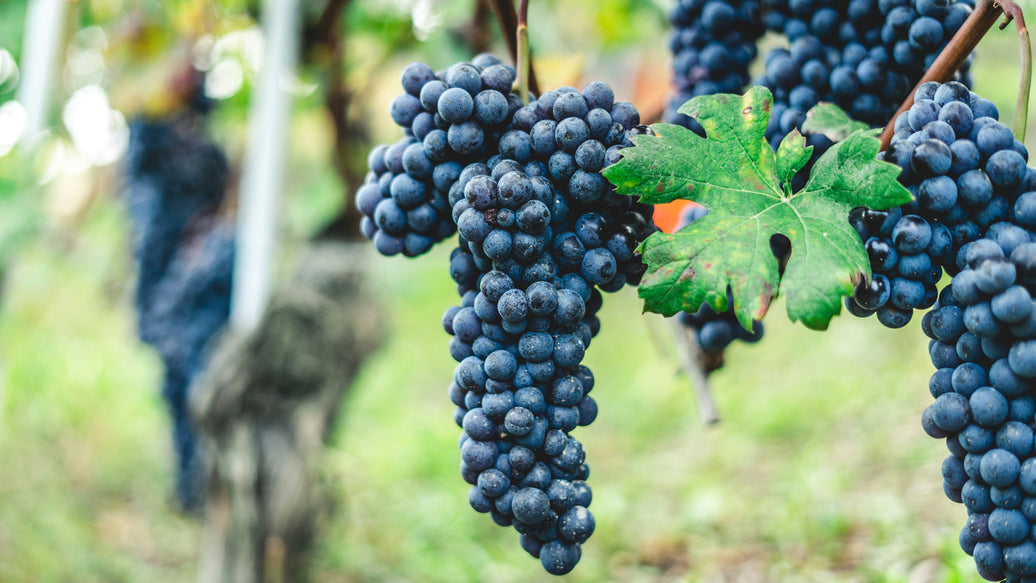
Champagne comes only from the Champagne region in northern France, about an hour and a half east of Paris. It is made from three grapes: Chardonnay, Pinot Noir, and Pinot Meunier. The cool climate and chalky soils are a big part of why Champagne tastes the way it does.
How Champagne Is Made (Methode Champenoise)
Champagne gets its bubbles from a second fermentation that happens inside each individual bottle, a slow, labour-intensive process known as the traditional method, or methode champenoise.
The wine then rests on its spent yeast, called the lees, for at least 15 months and often much longer. That ageing is what gives Champagne its signature bready, biscuity, toasty character.
How Champagne Tastes
Expect fine, persistent bubbles and flavours of citrus, green apple, brioche and toasted nuts, with bright acidity and real depth. Most Champagne is made in a Brut style, which is dry. It is the most complex and age-worthy of the sparkling wines, and the price reflects the time and work behind it.
What Is Prosecco?
Where Prosecco Comes From
Prosecco comes from northeastern Italy, mainly the Veneto. It is made from the Glera grape rather than the Champagne varieties, which is the first reason the two taste so different.
How Prosecco Is Made (the Charmat Method)
Instead of fermenting in the bottle, Prosecco gets its second fermentation in large stainless steel tanks, a faster and more affordable approach called the Charmat method. The wine spends less time ageing, which keeps it fresh and fruit-forward rather than bready.
How Prosecco Tastes
Prosecco is light, fruity and floral, with green apple, pear, melon and honeysuckle. The bubbles are softer and frothier than Champagne's finer stream. Most Prosecco is labelled Extra Dry, which, confusingly, is actually a touch sweeter than Brut. It is easygoing, friendly, and made for everyday celebrating.
Champagne vs Prosecco vs Sparkling Wine: The Key Differences

Other Sparkling Wines Worth Knowing
Cava
Spain's traditional-method sparkler, made mostly around Catalonia. Because it is made the same way as Champagne but costs far less, Cava is one of the best values in bubbles. Look for crisp citrus, almond and a touch of savoury character.
Cremant
French sparkling wine made in the traditional method but outside the Champagne region, in places like Alsace, Burgundy and the Loire. It offers a lot of that Champagne-style finesse at a friendlier price.
Asti and Moscato
At the sweeter, lower-alcohol end sit Asti and Moscato from Italy's Piedmont, made from the aromatic Moscato grape. These are gently fizzy, floral, and sweet, lovely with dessert or on their own.
How to Choose: Champagne, Prosecco, or Sparkling Wine?
It really comes down to the occasion and the budget. For a milestone toast, a gift, or a dinner where you want depth and ageing behind the glass, Champagne earns its keep. For a party, a brunch, or any time you are opening several bottles, Prosecco and Cava give you the festivity without the splurge, and they are the better base for cocktails like mimosas, spritzes, and the French 75. If you want traditional-method quality for less, a Cremant or Cava is the smart middle ground. And for dessert or a sweeter crowd, Asti and Moscato do the job. There is no single right answer, only the right bottle for the moment, and we are always happy to help you find it.
Shop Champagne and Sparkling Wine at Cork
We carry one of the largest Champagne selections in Calgary, alongside a deep range of sparkling wine from around the world. If you are after the classics, we have the big names on the shelf, including Veuve Clicquot Brut at $93.99, Laurent-Perrier La Cuvee Brut at $89.99, and Bollinger Special Cuvee at $110.99.
Come see us in Bow Valley Square downtown, browse the Champagne collection or the wider sparkling wine collection online, and if you want a hand matching bubbles to your menu, just ask. Once your bottles are home, our guide to storing Champagne and sparkling wine will keep them in top shape.
Frequently Asked Questions
Is Prosecco the same as Champagne?
No. Both are sparkling wines, but Champagne comes from France, uses Chardonnay and Pinot grapes, and is made in the bottle, while Prosecco comes from Italy, uses the Glera grape, and is made in a tank. Champagne is toastier and more complex. Prosecco is lighter and fruitier.
What is the difference between Champagne and sparkling wine?
Champagne is a specific type of sparkling wine that can only be made in the Champagne region of France. Sparkling wine is the broad category for any wine with bubbles, made anywhere. All Champagne is sparkling wine, but not all sparkling wine is Champagne.
Is Prosecco a sparkling wine?
Yes. Prosecco is a sparkling wine from northeastern Italy, made from the Glera grape using the tank (Charmat) method, which gives it its light, fruity, frothy style.
Which is sweeter, Champagne or Prosecco?
Prosecco is usually a little sweeter. Most Champagne is Brut (dry), while most Prosecco is labelled Extra Dry, which is slightly off-dry. For a sweeter sparkling wine still, look to Asti or Moscato.